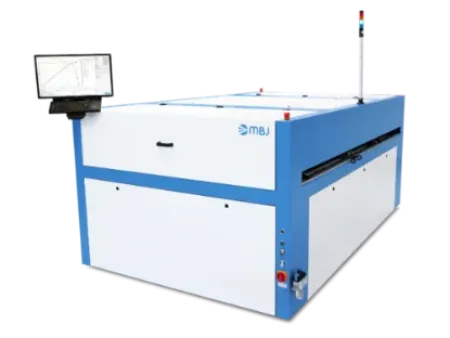
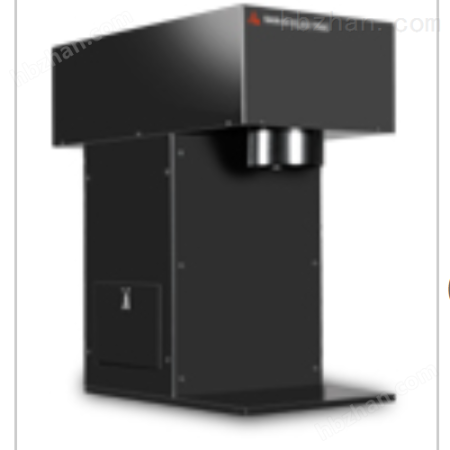
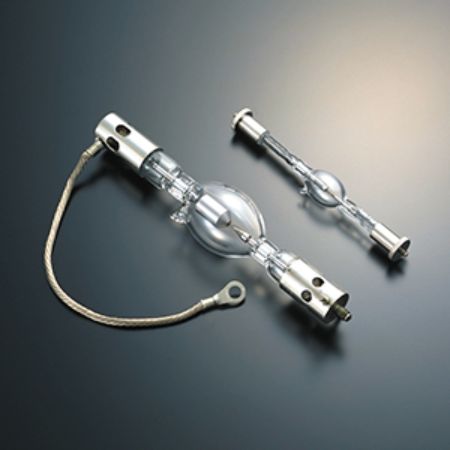
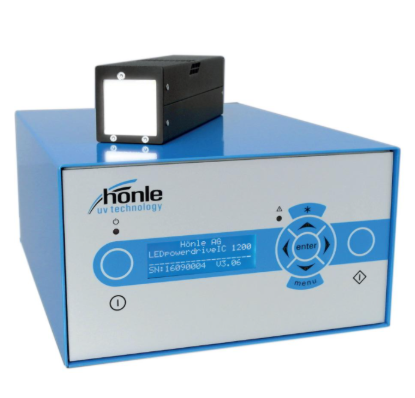
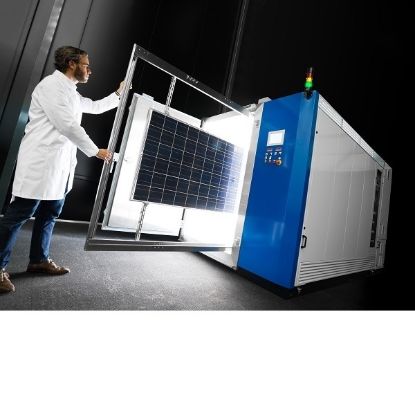
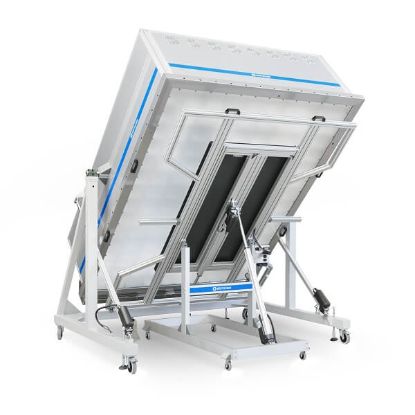
Sun Simulator (or Solar Simulator) is a device that replicates the characteristics of natural sunlight in a controlled laboratory environment. It provides artificial illumination with a spectrum, intensity, and spatial uniformity similar to sunlight, enabling reliable and repeatable testing and research without dependence on weather or time of day.
Key Performance Parameters (IEC 60904-9 Standard)
Sun simulators are classified based on three critical criteria:
Spectral Match:
Measures how closely the simulator's output spectrum matches the reference solar spectrum (e.g., AM1.5G for terrestrial applications or AM0 for space).
Evaluated in three wavelength ranges: 400–500 nm, 500–600 nm, and 600–700 nm.
Class A: 0.75–1.25 (best match)
Class B: 0.60–1.40
Class C: <0.60 or >1.40
Spatial Uniformity:
Measures the consistency of irradiance across the test area.
Class A: ≤±2% variation
Class B: ≤±5%
Class C: ≤±10%
Temporal Stability:
Measures how stable the light output remains over time during a test.
Class A: ≤±2% variation
Class B: ≤±5%
Class C: ≤±10%
A Class AAA simulator meets Class A criteria for all three parameters and is required for high-accuracy applications like photovoltaic certification.
定态太阳模拟器Steady Solar State Simulator 稳态太阳模拟器等级为AAA(根据IEC60904-9:2007),稳态光源采用独特的专利技术。 其定位于高度灵活性和小体积设计,使得它易于完成IEC61215:2016中所有光伏技术和所有光照测试,并且很理想。 同时提供了良好的IV测量设备。