Back Contact (BC) Solar Cell TechnologyBack Contact (BC) cell technology eliminates front grid shading losses entirely by placing both positive and negative electrodes on the rear side of the cell, achieving higher light absorption rates and conversion efficiency. According to the latest 2025 experimental data, the laboratory efficiency of BC cells has exceeded 27.81%, far surpassing that of TOPCon (26.1%) and HJT (25.9%). This breakthrough is attributed to three core technological innovations:
Laser Patterning Technology: Replacing traditional photolithography processes, it reduces production costs by 60% and improves precision to ±3 μm with no consumables required (see Table 1).
Monocrystalline Wafer Optimization: By enhancing the purity of N-type wafers and controlling resistivity, the service life of cells is extended by more than 30%.
Module Encapsulation Innovation: The adoption of COB interconnection technology reduces ribbon losses by over 90% and improves module reliability by 50%.
Basic Structure of BC Solar Cells
The basic structure of a BC cell from top to bottom is as follows: SiNₓ/SiO₂ - n⁺ Si (phosphorus-doped) - Si substrate - p⁺ (boron-diffused)/n⁺⁺ (phosphorus-doped) Si - SiO₂/SiNₓ - interdigitated metal electrodes.Among these layers:
The n⁺ Si (phosphorus-doped) layer reduces surface minority carrier concentration through field passivation, thereby lowering the surface recombination rate.
The p⁺ Si (boron-diffused) layer forms a p-n junction with the N-type silicon substrate, effectively separating carriers.
The n⁺⁺ Si (phosphorus-doped) layer forms a high-low junction with the N-type silicon to enhance carrier separation capability, which is the core technology of IBC cells.
The SiO₂/SiNₓ layer suppresses carrier recombination in IBC solar cells on the rear side, and acts as an anti-reflection layer on the front side to improve power generation efficiency.
Table 1: Comparison of Key Parameters Between BC Technology and Traditional Technologies
Parameter
Conventional PERC
TOPCon
BC Technology
Laboratory Efficiency
24.5%
26.1%
27.81%
Mass Production Cost (CNY/W)
0.95
1.05
1.10 (projected to drop to 0.98 in 2025)
Anti-Shading Performance
Low
Medium
High
FAQs
Q1: Are BC cells facing fierce competition from TOPCon?A1: In the short term, TOPCon will remain mainstream due to its mature production capacity. However, BC’s advantages in efficiency (+1.8%), LCOE (-16%), and scenario adaptability will drive its accelerated replacement of TOPCon after 2025.
Q2: What are the main challenges of BC technology?A2: Currently, the core challenges lie in mass production yield (which needs to be stabilized above 95%) and silicon wafer purity control, but advancements in laser processing are gradually addressing these issues.
Q3: Are BC cells suitable for large-scale ground-mounted solar power plants?A3: Yes. Their high bifaciality and PID resistance make them particularly suitable for complex environments such as deserts and mountainous areas, and they have better compatibility with tracking systems than traditional technologies.
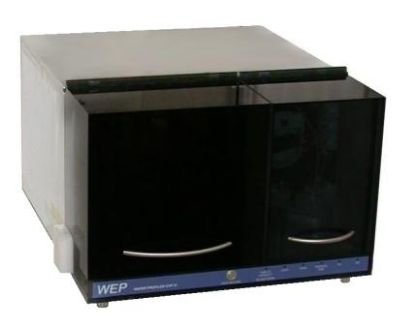
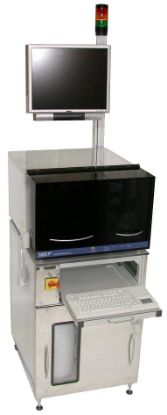
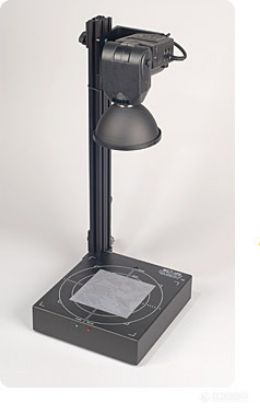
The Wafer Profiler CVP21 is a handy tool to measure doping profiles in semiconductor layers by Electrochemical Capacitance Voltage Profiling (ECV-Profiling, CV-Profiling) in semiconductor research or production.
This ECV Profiler (CV-Profiler, C-V-Profiler) furthermore is a very good choice to analyze or develop strategies for Photo-Electrochemical Wet Etching (PEC-Etching) of semiconductors
TLM-SCAN+
Contact resistivity and more
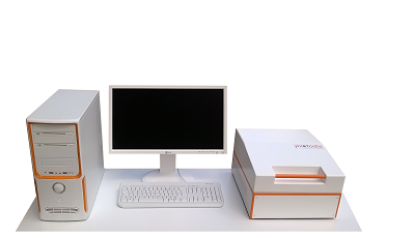
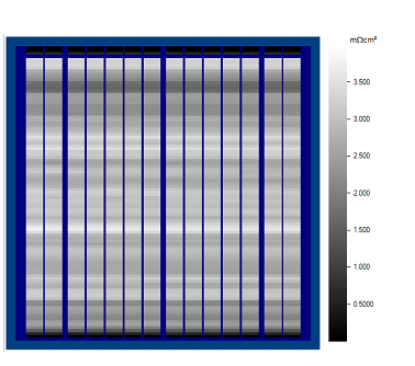
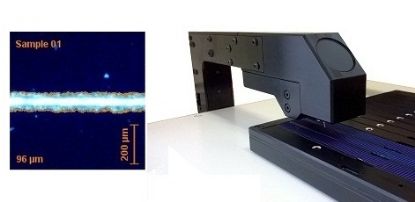
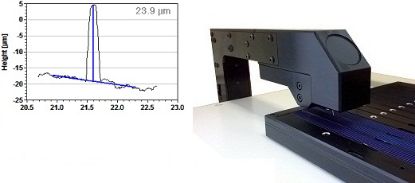
This compact instrument measures contact resistivity, finger line resistance, finger width, and finger height of a finished solar cell or on test structures.
Motorized in all axes it is capable of creating maps of all these methods by pushing a single button.
Four point probe heads for measuring the sheet resistance of thin diffused layers and resistivity of wafers make the TLM-SCAN+ a low-cost yet fast and high-quality four-point-probe mapper.